The back story
Wildlife at sea: penguins, glaciers and the Galápagos
Wildlife from a cruise ship, and how to see it well.

Photo Credit
Image courtesy of © Liam Quinn from Canada · CC BY-SA 2.0 via Wikimedia CommonsWildlife from the deck and ashore, from the penguins of Magdalena Island and the Antarctic Peninsula to the glaciers and harbour seals of Glacier Bay, the raptors of Sitka and the Galápagos, with the rules that protect them and a directory of the places in our guide. Facts from CONAF, the Antarctic Treaty, the US National Park Service, the Galápagos National Park and the Charles Darwin Foundation.
Some of the greatest wildlife encounters on earth are made from the deck of a ship. Magellanic penguins crowd an island in the Strait of Magellan; gentoo and chinstrap penguins wait on the shores of the Antarctic Peninsula; harbour seals haul out on the ice below Alaska’s tidewater glaciers; and in the Galápagos, sea lions and marine iguanas barely look up as you pass.
These are fragile places, and the best cruise lines treat them that way: small groups ashore, expert guides, strict distances. Here is where to go, and the rules that keep the animals wild.
Penguins and the polar south
From Punta Arenas, boats visit Magdalena Island in the Monumento Natural Los Pingüinos, where CONAF, Chile’s forest and parks service, says about 7,000 pairs of Magellanic penguins nest; neighbouring Marta Island has a colony of imperial cormorants and sea lions. The monument opens daily between October and April, rangers are on site, and visitors keep at least 2 metres from the penguins.

Photo Credit
Image courtesy of © Diego Delso · CC BY-SA 4.0 via Wikimedia CommonsIn Antarctica, visits follow the Antarctic Treaty’s General Guidelines for Visitors: one ship at a site at a time, no landings from ships with more than 500 passengers, no more than 100 passengers ashore from a vessel, and one guide for every 20. Site guidelines cover 45 frequently visited places, among them Neko Harbour, Cuverville Island, Petermann Island and Half Moon Island.
On the way, South Georgia can be reached only by sea, and its operators are normally members of IAATO, the association of Antarctic tour operators.
Alaska: glaciers, seals and eagles
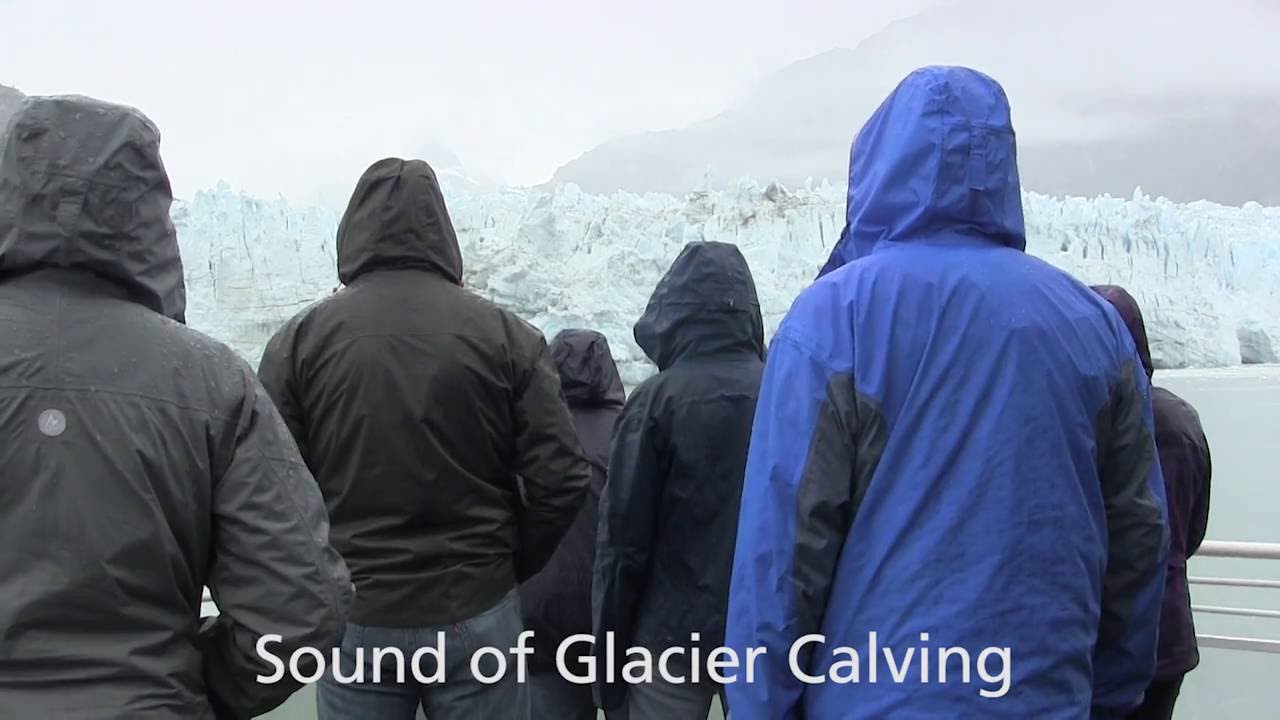
Glacier Bay National Park is the high point of many Alaska voyages. The National Park Service says cruise ships do not dock anywhere in the bay; they usually spend nine to ten hours there, with a stop at a major tidewater glacier, and rangers come aboard to give talks. In Sitka, the Alaska Raptor Center rehabilitates injured birds of prey and introduces visitors to its resident eagles, hawks, owls, ravens and falcons.
Video Credit
Video © Glacier Bay National Park (NPS) · plays from YouTube, which may set its own cookies once it startsIn Antarctica, no more than 100 passengers may be ashore from a ship at once, with one guide for every 20.
The Galápagos
The Galápagos National Park asks every visitor to keep two metres from wildlife, cameras included; not to touch or feed the animals; to photograph without flash and fly no drones; to walk only on marked trails; to visit the protected areas with a licensed guide; and to use marine-friendly sun protection.
In Puerto Ayora, the Charles Darwin Foundation, at work in the islands since 1959, opens its research station daily from 08:00 to 18:00, with natural history collections of some 137,000 specimens.

Photo Credit
Image courtesy of © Christoph Strässler from Oberdorf BL, Schweiz · CC BY-SA 2.0 via Wikimedia CommonsFeature: seals before ships in Glacier Bay
In Glacier Bay, the harbour seals come first. Johns Hopkins Inlet, one of the park’s most spectacular glacier fjords, is a place where seals rest and raise their pups on the floating ice, and the park protects them: cruise ships may enter the inlet only in late summer, after the seal protections end.
Did you know? Cruise ships do not dock anywhere in Glacier Bay: the whole visit, nine to ten hours of it, is made from the ship, with National Park Service rangers on board.
Our advice
Our advice: for penguins in Patagonia, plan between October and April; for Antarctica, choose a line whose ships carry no more than 500 passengers, so that you can land, and that belongs to IAATO; for the Galápagos, follow your naturalist guide and the two-metre rule. Bring binoculars, keep your voice down near animals, never feed wildlife, and leave nothing ashore but footprints.
Why it's on our list
- Penguins and the polar south
- Alaska: glaciers, seals and eagles
- The Galápagos
- Feature: seals before ships in Glacier Bay
- Our advice
Location
The map comes from Google Maps, which sets its own cookies once it loads.